From ancient hill to city sentinel
São Jorge looks out over Lisbon not only as stone and battlement but as a palimpsest of peoples, rulers, and everyday life across two millennia.
Table of Contents
Earliest occupation and Roman presence
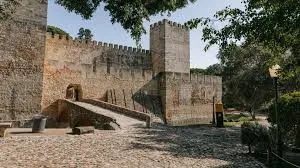
Long before the present walls enclosed the hill, people found strategic value in its steep slopes and sweeping views. Archaeological excavations have uncovered traces of Phoenician and Roman activity: pottery fragments, foundations, and burial evidence that suggest this hill was a point of contact between maritime trade routes and inland settlement. Those fragments are quiet witnesses to a time when maritime traders threaded the Tagus estuary and small clusters of habitation clustered where the view was both lookout and claim.
Under the Romans, the area became more closely integrated into a growing urban network. Street lines and masonry remnants reveal a continuity of human presence that later builders would reuse and absorb into newer defensive lines. Far from being a single moment frozen in stone, the hill shows continuous occupation and adaptation, each epoch leaving a visible or buried trace beneath the later ramparts.
The Moorish citadel and medieval fortifications

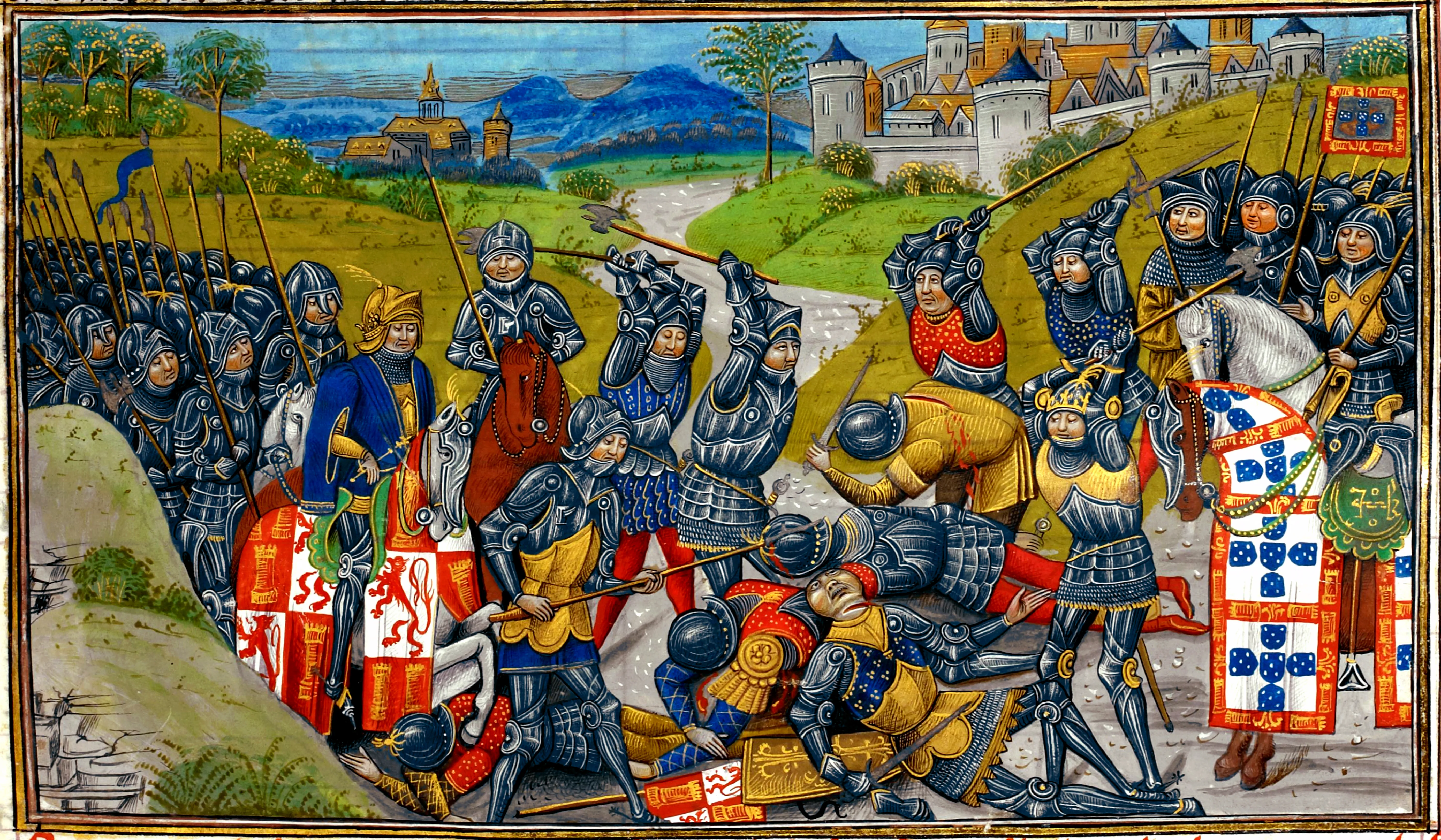
From about the 8th century, Muslim rulers controlled the hill and expanded it as a fortified citadel, placing defensive terraces and watch posts where the skyline met the river. The castle became a nerve centre for administration and defense in what was then a dynamic part of Al Andalus. When Christian forces under Afonso Henriques laid siege in the 12th century, the conquest in 1147 was a decisive moment that shifted the city into the emergent Portuguese kingdom.
After reconquest the site evolved into a royal residence and administrative hub. Kings added palatial structures and ceremonial spaces, integrating the fortress into the city’s political life. Walk the ramparts and you are tracing lines where medieval soldier, royal procession, and city watcher once moved—each stone a silent participant in many small and large events that shaped Lisbon’s medieval character.
Reconquest, royal palace and medieval Lisbon
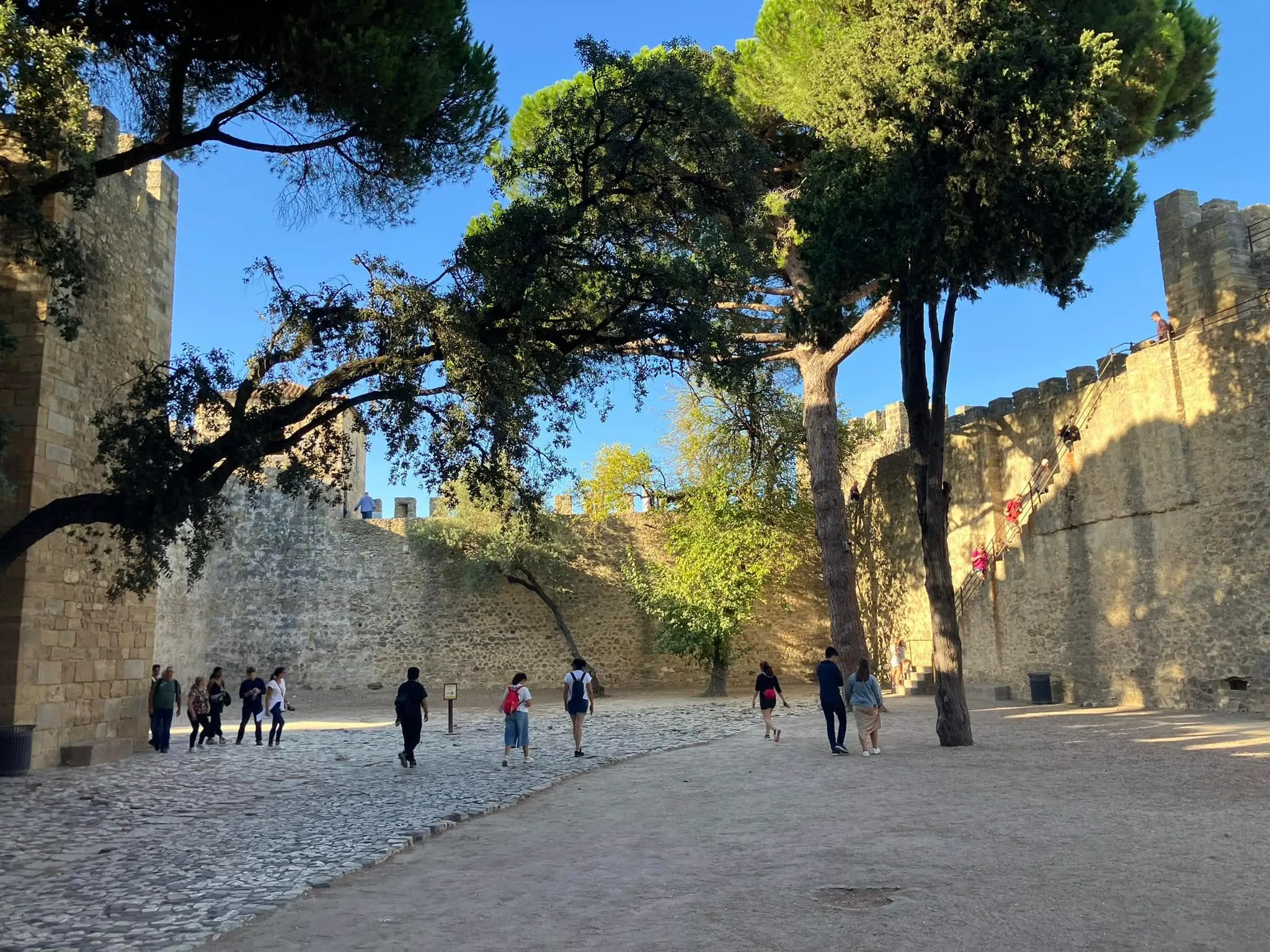
With the Christian reconquest, São Jorge became more than a fortress: it was a symbol of Lisbon’s new status in the Christian maritime world. The castle hosted royal ceremonies, housed garrisons, and played a role in civic defense. Over the centuries, successive monarchs remodelled parts of the site to suit ceremonial needs or military modernization, while the surrounding neighborhoods grew and changed with seafaring trade and mercantile wealth.
Medieval Lisbon saw the castle as both protector and stage. The proximity to the river meant the hill controlled approaches to the city and watched ships arrive and depart. For residents then and now the castle anchored local identity: a place of shared memory where public proclamations, punishments, and celebrations were visible from below as life in the lower quarters continued.
Modern transformations and the 1755 earthquake
The catastrophic earthquake of 1755, followed by fire and a devastating tsunami, reordered Lisbon in ways that are still being understood. The castle, solidly built on its hill, suffered damage but also witnessed the city’s vast program of rebuilding under the Marquis of Pombal. The post‑earthquake era accelerated changes in urban planning, coastal defenses, and civic architecture, yet the castle persisted as an emblem of continuity amid the trauma.
In the 18th and 19th centuries, as artillery and military needs evolved, the castle gradually lost its purely defensive role and became more a symbol and a public space. Parts were reused as barracks and for administrative purposes, while other corners fell into disrepair until renewed interest in heritage prompted conservation measures in later centuries.
19th and 20th century restorations

Photography from the 19th century documented the castle’s romantic decay and helped fuel a preservation movement that gathered steam into the 20th century. Major restoration campaigns in the early 1900s and then after World War II focused on stabilizing walls, interpreting archaeological finds, and making the site accessible to the public. The work often reflected contemporary ideas about medieval architecture, sometimes reimagining lost elements—an approach that modern conservation practice treats with more nuance.
Throughout the 20th century the castle became a civic asset: a place for festivals, cultural programs, and tourism. Excavations revealed buried sequences that enriched the public narrative, and interpretive displays gradually evolved to include more of the social history of the hill, not just its grand architectural phases.
Archaeology beneath the stones
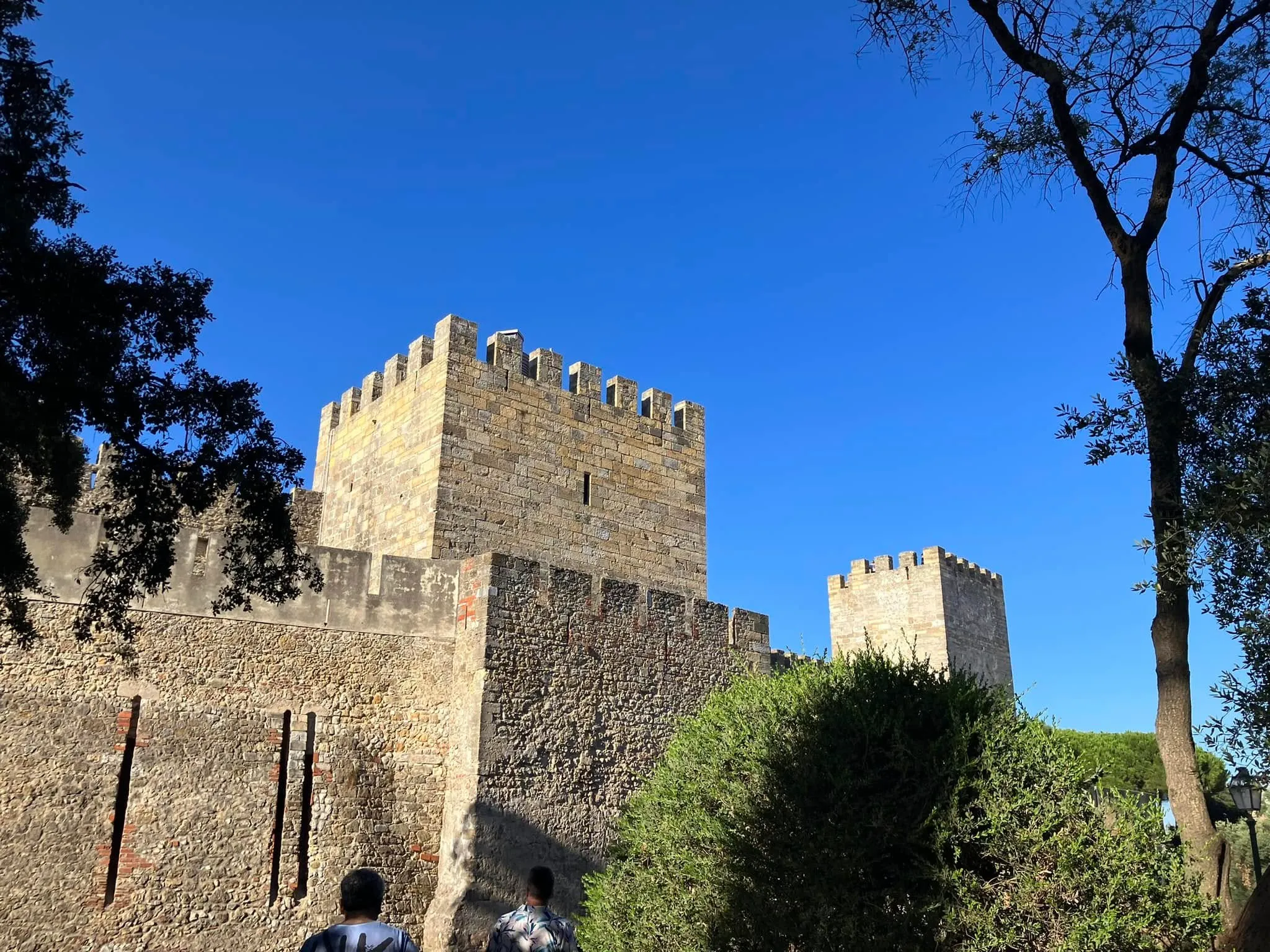
Archaeologists have pieced together the castle’s many lives by carefully exposing floors, foundation trenches, and small artefacts. Pottery, glinting metalwork, and structural clues trace trade connections, domestic habits, and the rhythms of daily life. These fragments are the voices of ordinary people who lived, worked and worshipped near the hill long before modern Lisbon existed.
The on‑site archaeological displays let visitors see how the past is reconstructed from small pieces. A single shard of pottery can connect Lisbon to wider Mediterranean trade; a reused stone in a later wall shows practical continuity across regimes. The archaeology emphasizes continuity as much as change.
São Jorge in popular memory and culture
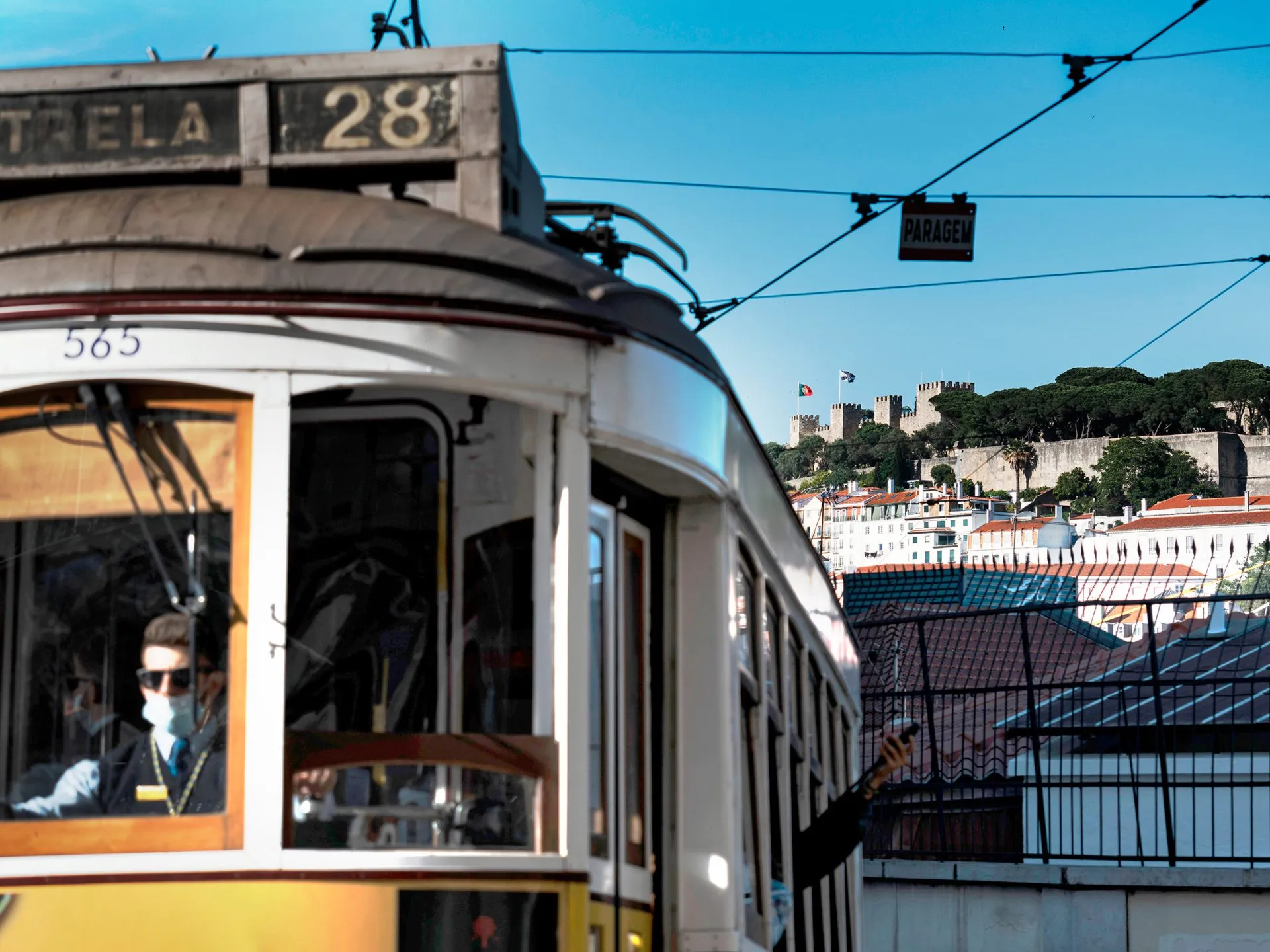
Over generations the castle became woven into local stories, fado lyrics, and city rituals. It appears in postcards, paintings, and popular songs as the place that watches over Lisbon. Its image is used in civic celebration and in quiet personal moments, when residents and visitors alike come to sit, think, or watch a sunset.
Today, São Jorge hosts cultural events that reclaim the space as a living part of Lisbon’s present: concerts, historical reenactments, school programs, and small exhibitions connect community life with the site’s deep past.
Planning a thoughtful visit
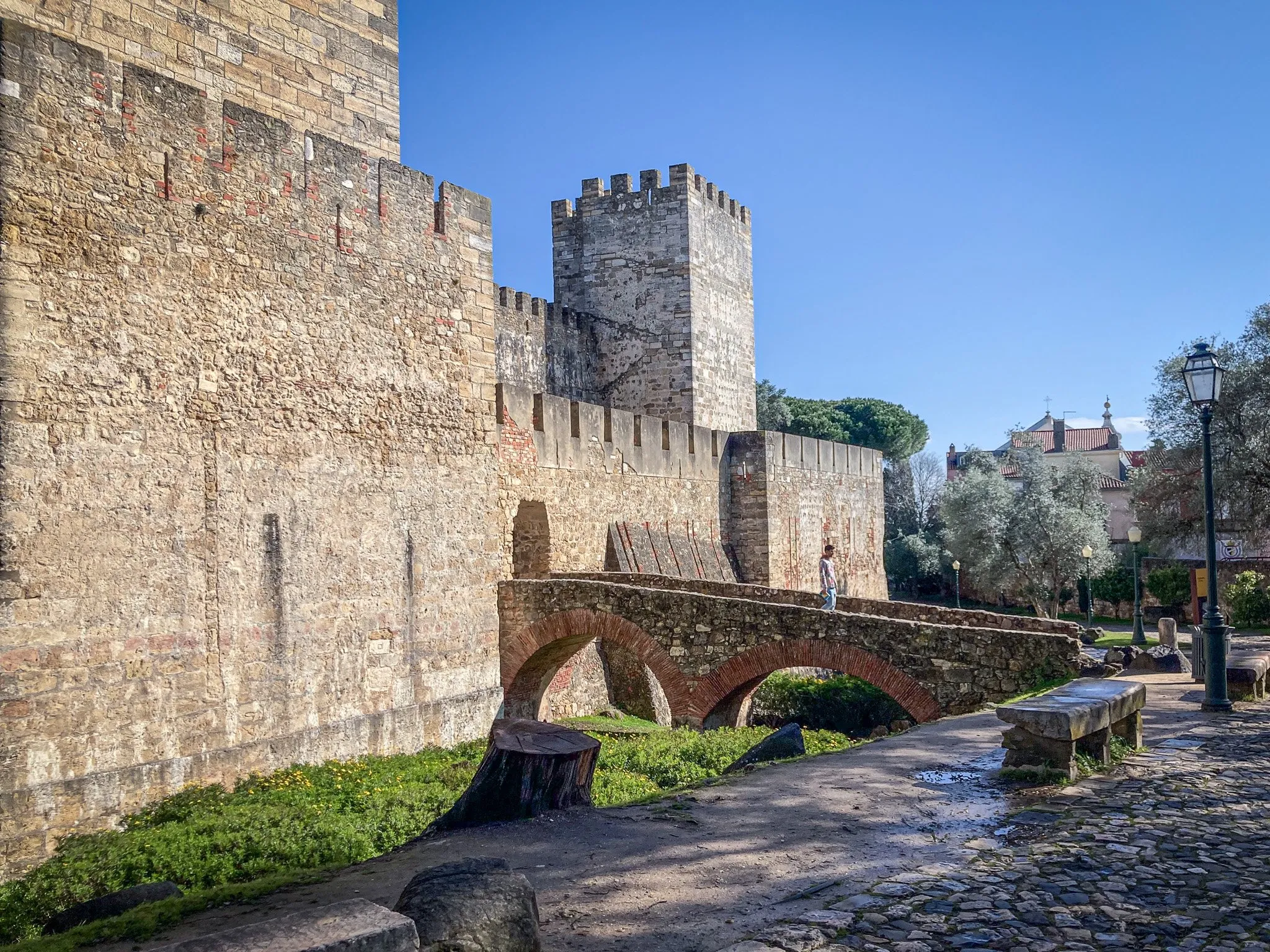
A thoughtful visit slows down. Begin with the overlook to orient yourself, then explore the ramparts at leisure. Look for small plaques, step into the museum cases, and follow less obvious passages to find quiet seating away from the main viewpoints. Listen for the city below, watch how light moves across tile and river, and imagine the different people who have stood in the same spots.
Combine the castle with neighboring attractions: Lisbon Cathedral, the tile museum, or a fado evening in Alfama. Take time to sip coffee in a small local cafe, and let the narrow streets guide you down after you leave the hill.
Conservation and community engagement
Caring for São Jorge is a long‑term task. Conservation teams work to stabilise fragile masonry, manage visitor impact, and present the archaeology with sensitivity. Community initiatives help keep the castle relevant: local programming, educational partnerships, and volunteer events ensure that the site remains alive in the city’s cultural imagination.
Visitors can support conservation by purchasing tickets, following wayfinding signs, and treating the site with respect. Small actions—staying on designated paths, not climbing fragile structures—help preserve the castle for future generations.
Side trips around Alfama
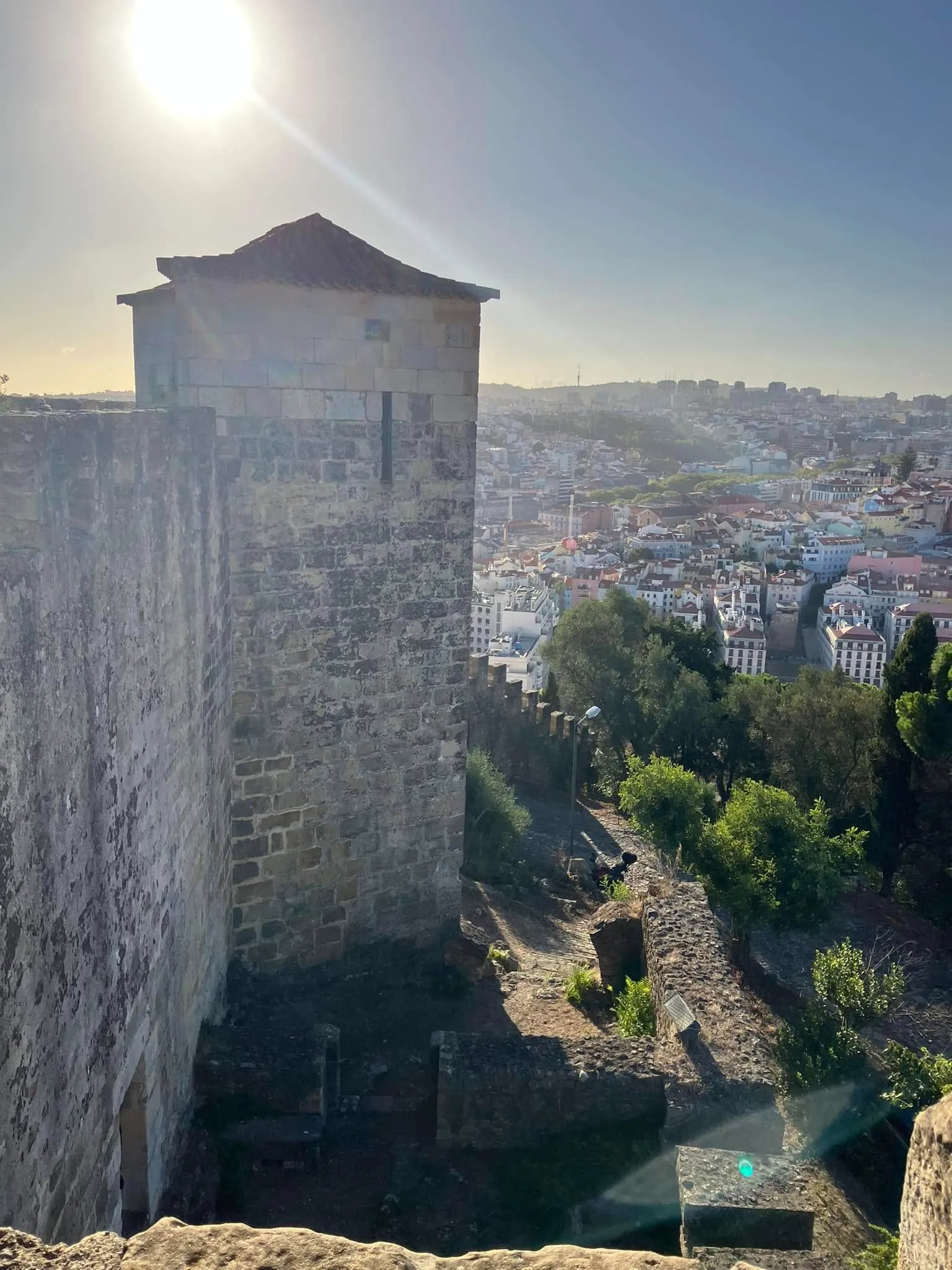
Down from the castle lies Alfama, a neighborhood of narrow lanes, hidden viewpoints and family‑run restaurants. It’s a perfect complement to the castle: history here is domestic as much as defensive, made of tile, cooking smells and small chapels tucked into alleys.
Stroll toward the cathedral, pause at small miradouros, and climb narrow steps to discover local artisans. At day’s end, a short walk brings you to riverside squares where light on the Tagus completes the circle the castle began.
Why the castle still matters
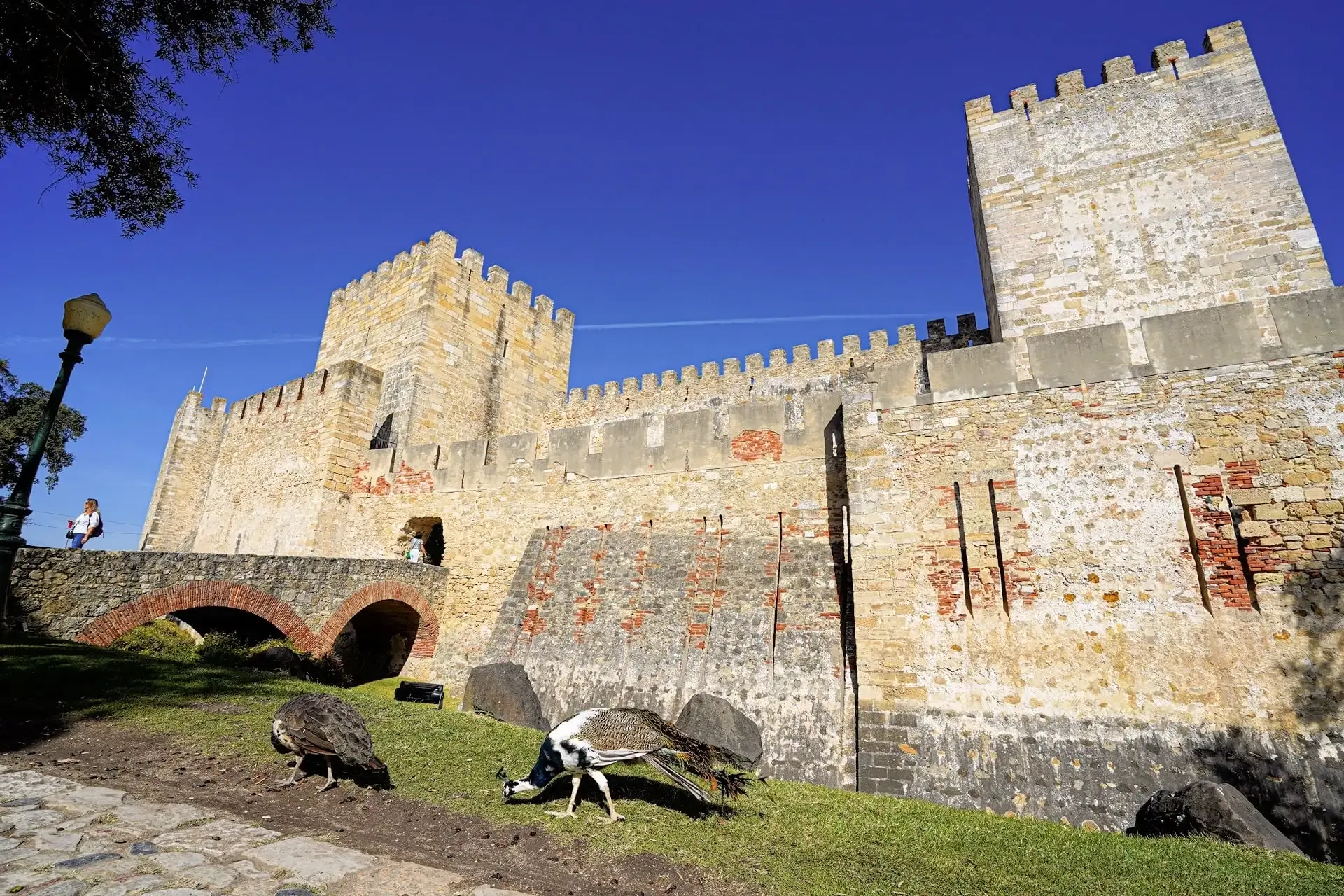
São Jorge matters because it makes visible the city’s deep timelines. From ancient habitation to medieval power, from natural disasters to civic renewal, the hill condenses Lisbon’s complex story into a place you can walk and feel—the kind of history that is sensory as well as factual.
A visit is an invitation to think about continuity: how ordinary people adapt, how architecture is reused, and how a city continues to look up toward its sentinel for both memory and spectacle.
Final tips for a memorable visit
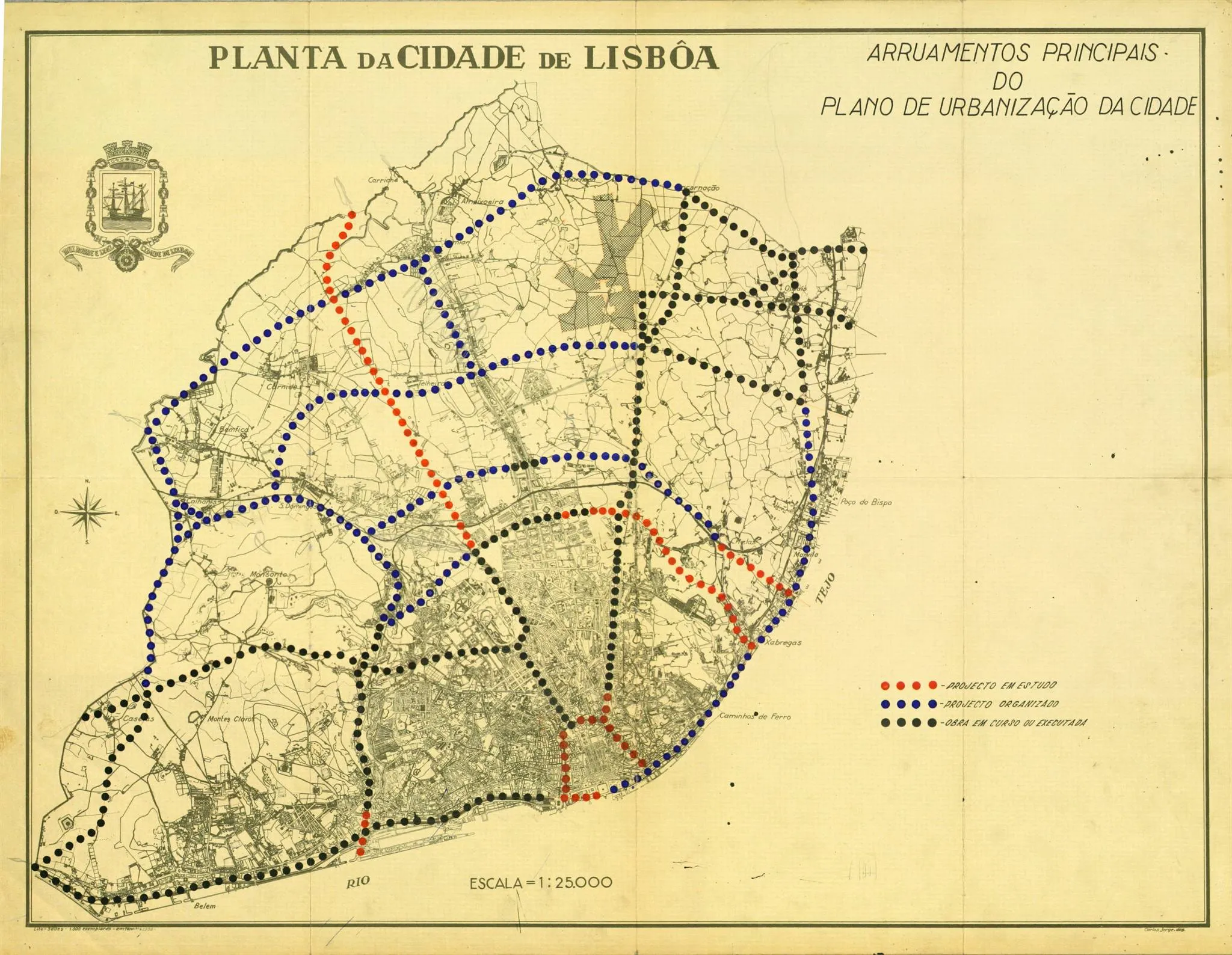
For a memorable visit, plan to arrive early or late in the day to enjoy softer light and fewer crowds. Bring water, comfortable shoes, and a hat for sunny days. Take time to explore quieter corners of the castle and to sit with the views.
Consider combining your castle visit with nearby attractions like Lisbon Cathedral or a fado evening in Alfama for a full day of historical and cultural immersion.
Acknowledgements and further reading
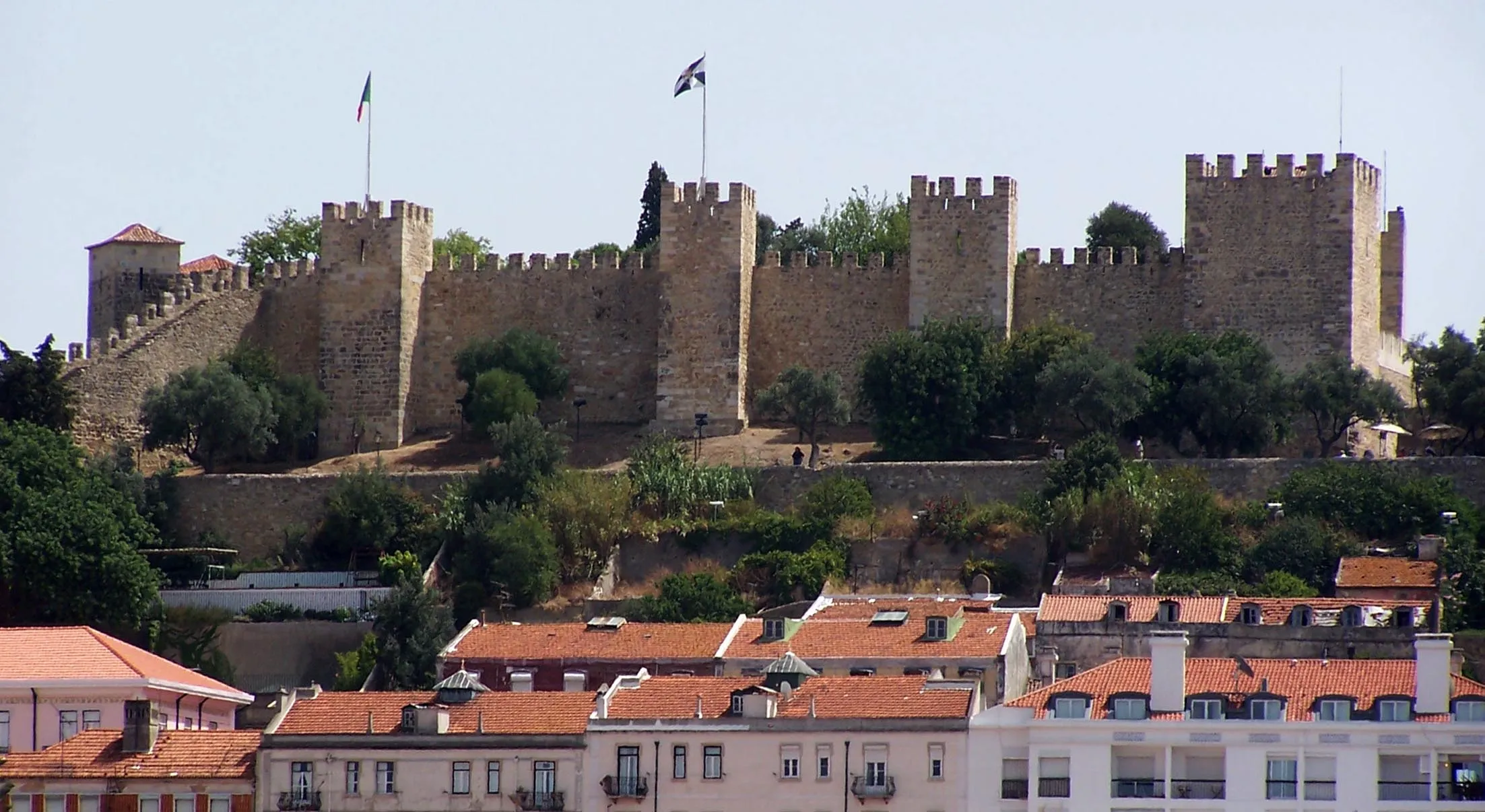
This guide draws on a range of sources, from archaeological reports and historical texts to contemporary accounts and local knowledge. For those interested in learning more, recommended readings include works by historians of Lisbon, archaeological publications from the castle’s excavations, and travel narratives that capture the experience of visiting São Jorge.
Acknowledgements go to local historians, conservation teams, and community members who shared their insights and stories about the castle, enriching this guide with their perspectives.
Table of Contents
Earliest occupation and Roman presence
Long before the present walls enclosed the hill, people found strategic value in its steep slopes and sweeping views. Archaeological excavations have uncovered traces of Phoenician and Roman activity: pottery fragments, foundations, and burial evidence that suggest this hill was a point of contact between maritime trade routes and inland settlement. Those fragments are quiet witnesses to a time when maritime traders threaded the Tagus estuary and small clusters of habitation clustered where the view was both lookout and claim.
Under the Romans, the area became more closely integrated into a growing urban network. Street lines and masonry remnants reveal a continuity of human presence that later builders would reuse and absorb into newer defensive lines. Far from being a single moment frozen in stone, the hill shows continuous occupation and adaptation, each epoch leaving a visible or buried trace beneath the later ramparts.
The Moorish citadel and medieval fortifications
From about the 8th century, Muslim rulers controlled the hill and expanded it as a fortified citadel, placing defensive terraces and watch posts where the skyline met the river. The castle became a nerve centre for administration and defense in what was then a dynamic part of Al Andalus. When Christian forces under Afonso Henriques laid siege in the 12th century, the conquest in 1147 was a decisive moment that shifted the city into the emergent Portuguese kingdom.
After reconquest the site evolved into a royal residence and administrative hub. Kings added palatial structures and ceremonial spaces, integrating the fortress into the city’s political life. Walk the ramparts and you are tracing lines where medieval soldier, royal procession, and city watcher once moved—each stone a silent participant in many small and large events that shaped Lisbon’s medieval character.
Reconquest, royal palace and medieval Lisbon
With the Christian reconquest, São Jorge became more than a fortress: it was a symbol of Lisbon’s new status in the Christian maritime world. The castle hosted royal ceremonies, housed garrisons, and played a role in civic defense. Over the centuries, successive monarchs remodelled parts of the site to suit ceremonial needs or military modernization, while the surrounding neighborhoods grew and changed with seafaring trade and mercantile wealth.
Medieval Lisbon saw the castle as both protector and stage. The proximity to the river meant the hill controlled approaches to the city and watched ships arrive and depart. For residents then and now the castle anchored local identity: a place of shared memory where public proclamations, punishments, and celebrations were visible from below as life in the lower quarters continued.
Modern transformations and the 1755 earthquake
The catastrophic earthquake of 1755, followed by fire and a devastating tsunami, reordered Lisbon in ways that are still being understood. The castle, solidly built on its hill, suffered damage but also witnessed the city’s vast program of rebuilding under the Marquis of Pombal. The post‑earthquake era accelerated changes in urban planning, coastal defenses, and civic architecture, yet the castle persisted as an emblem of continuity amid the trauma.
In the 18th and 19th centuries, as artillery and military needs evolved, the castle gradually lost its purely defensive role and became more a symbol and a public space. Parts were reused as barracks and for administrative purposes, while other corners fell into disrepair until renewed interest in heritage prompted conservation measures in later centuries.
19th and 20th century restorations
Photography from the 19th century documented the castle’s romantic decay and helped fuel a preservation movement that gathered steam into the 20th century. Major restoration campaigns in the early 1900s and then after World War II focused on stabilizing walls, interpreting archaeological finds, and making the site accessible to the public. The work often reflected contemporary ideas about medieval architecture, sometimes reimagining lost elements—an approach that modern conservation practice treats with more nuance.
Throughout the 20th century the castle became a civic asset: a place for festivals, cultural programs, and tourism. Excavations revealed buried sequences that enriched the public narrative, and interpretive displays gradually evolved to include more of the social history of the hill, not just its grand architectural phases.
Archaeology beneath the stones
Archaeologists have pieced together the castle’s many lives by carefully exposing floors, foundation trenches, and small artefacts. Pottery, glinting metalwork, and structural clues trace trade connections, domestic habits, and the rhythms of daily life. These fragments are the voices of ordinary people who lived, worked and worshipped near the hill long before modern Lisbon existed.
The on‑site archaeological displays let visitors see how the past is reconstructed from small pieces. A single shard of pottery can connect Lisbon to wider Mediterranean trade; a reused stone in a later wall shows practical continuity across regimes. The archaeology emphasizes continuity as much as change.
São Jorge in popular memory and culture
Over generations the castle became woven into local stories, fado lyrics, and city rituals. It appears in postcards, paintings, and popular songs as the place that watches over Lisbon. Its image is used in civic celebration and in quiet personal moments, when residents and visitors alike come to sit, think, or watch a sunset.
Today, São Jorge hosts cultural events that reclaim the space as a living part of Lisbon’s present: concerts, historical reenactments, school programs, and small exhibitions connect community life with the site’s deep past.
Planning a thoughtful visit
A thoughtful visit slows down. Begin with the overlook to orient yourself, then explore the ramparts at leisure. Look for small plaques, step into the museum cases, and follow less obvious passages to find quiet seating away from the main viewpoints. Listen for the city below, watch how light moves across tile and river, and imagine the different people who have stood in the same spots.
Combine the castle with neighboring attractions: Lisbon Cathedral, the tile museum, or a fado evening in Alfama. Take time to sip coffee in a small local cafe, and let the narrow streets guide you down after you leave the hill.
Conservation and community engagement
Caring for São Jorge is a long‑term task. Conservation teams work to stabilise fragile masonry, manage visitor impact, and present the archaeology with sensitivity. Community initiatives help keep the castle relevant: local programming, educational partnerships, and volunteer events ensure that the site remains alive in the city’s cultural imagination.
Visitors can support conservation by purchasing tickets, following wayfinding signs, and treating the site with respect. Small actions—staying on designated paths, not climbing fragile structures—help preserve the castle for future generations.
Side trips around Alfama
Down from the castle lies Alfama, a neighborhood of narrow lanes, hidden viewpoints and family‑run restaurants. It’s a perfect complement to the castle: history here is domestic as much as defensive, made of tile, cooking smells and small chapels tucked into alleys.
Stroll toward the cathedral, pause at small miradouros, and climb narrow steps to discover local artisans. At day’s end, a short walk brings you to riverside squares where light on the Tagus completes the circle the castle began.
Why the castle still matters
São Jorge matters because it makes visible the city’s deep timelines. From ancient habitation to medieval power, from natural disasters to civic renewal, the hill condenses Lisbon’s complex story into a place you can walk and feel—the kind of history that is sensory as well as factual.
A visit is an invitation to think about continuity: how ordinary people adapt, how architecture is reused, and how a city continues to look up toward its sentinel for both memory and spectacle.
Final tips for a memorable visit
For a memorable visit, plan to arrive early or late in the day to enjoy softer light and fewer crowds. Bring water, comfortable shoes, and a hat for sunny days. Take time to explore quieter corners of the castle and to sit with the views.
Consider combining your castle visit with nearby attractions like Lisbon Cathedral or a fado evening in Alfama for a full day of historical and cultural immersion.
Acknowledgements and further reading
This guide draws on a range of sources, from archaeological reports and historical texts to contemporary accounts and local knowledge. For those interested in learning more, recommended readings include works by historians of Lisbon, archaeological publications from the castle’s excavations, and travel narratives that capture the experience of visiting São Jorge.
Acknowledgements go to local historians, conservation teams, and community members who shared their insights and stories about the castle, enriching this guide with their perspectives.